
How to Make Money with Blogging in 2026 Beginner’s Learning Guide (Part 2)

Welcome Back!
In Part 1, you learned:
✔ What blogging is
✔ Why blogging still works
✔ Beginner mindset
✔ Choosing a niche
✔ Understanding audience
✔ Human connection writing

Now in Part 2, we will learn:
✅ How to start a blog step-by-step
✅ Website basics in simple English
✅ How to write helpful blog articles
✅ Beginner SEO basics
✅ How traffic slowly comes
✅ Mistakes beginners make
7. How to Start a Blog (Step-by-Step)



Many beginners think, “Blogging feels difficult.” But the truth is—blogging becomes much easier when you learn everything step by step. You do not need to know everything from the beginning. The best way to start blogging is by learning one step at a time and taking simple action consistently.
Step 1: Choose Your Blog Topic
Before starting your blog, the first thing you need to do is choose one main topic. This topic is called your niche, and it will decide what type of content you create for your audience. Many beginners make the mistake of writing about too many different topics, which can confuse readers and make it harder to grow.
Choose a topic that you enjoy learning about and can talk about for a long time. Some beginner-friendly examples include fitness, fashion, blogging, digital learning, travel, food, technology, and health. Before choosing, ask yourself one important question: Can I talk about this topic for years? If the answer is yes, then it may be a good niche for your blog.
Always choose a long-term topic because consistency matters in blogging. If you enjoy your niche, writing content becomes easier and more enjoyable.
Step 2: Choose a Blog Name
After choosing your topic, the next step is selecting a blog name. Your blog name is like your online identity, so try to make it simple, clear, and easy to remember. A good blog name should have simple spelling and should feel related to your niche or content style.
For example, if your topic is fitness, a blog name like Fit Life Guide sounds simple and clear. For a blogging topic, something like Smart Blogging Tips feels easy to understand and relevant. Avoid choosing difficult names with confusing spelling because people may forget them or type them incorrectly.
In blogging, simple names usually work better than complicated ones. Easy names feel more professional and are easier for readers to remember.
Step 3: Create Your Blog
Now it is time to create your blog. Think of your blog like your online home where people visit to learn, solve problems, and find useful information. Your website does not need to look perfect in the beginning, but it should feel clean and easy to use.
Keep your blog simple, easy to read, and mobile-friendly because many people visit websites using their phones. Avoid too many colors, confusing menus, or unnecessary design elements. A clean and simple design usually looks more professional and helps readers focus on your content.
Remember, a successful blog is not about fancy design—it is about helping people in a clear and simple way. When visitors enjoy reading your content easily, they are more likely to trust your website and come back again.
8. Write Helpful Content
(Most Important)



Many beginners spend too much time thinking about blog design, colors, logos, and themes. While design is important, the truth is simple: content matters most. A beautiful website without useful content will not help people, and visitors may leave quickly. But even a simple blog can grow if the content is genuinely helpful and solves real problems.
Before writing any article, ask yourself one simple question: "Will this help someone?” If the answer is yes, then it is worth writing. Successful blogging is not about writing random information—it is about helping real people find real solutions.
Think about how people search online. Someone may search, “How to wake up early?” Why do they search this? Because they are struggling and need help. Maybe they feel tired every morning or cannot manage their time properly. Your content should understand their problem and provide simple, useful solutions.
This is where many beginners make mistakes. They choose topics that are too broad and unclear. For example, writing only about “Fitness” is too general because readers do not know what exact help they will get. A better topic would be “Easy Morning Workout for Busy Beginners” because it solves a specific problem for a specific type of person.
Specific content usually performs better because readers feel like the article was written exactly for them. When people find answers to their problems, they stay longer on your website, trust your advice, and may return for more helpful content.
One golden rule of blogging that changes everything is this: do not only write what YOU want to write—write what PEOPLE need. Many beginners focus only on their own ideas, but successful bloggers focus on what readers are searching for and struggling with.
Try to think like your audience. Ask yourself: What questions are beginners asking? What problems do people want to solve? What simple advice can help them today? When you create content based on people’s real needs, your blog becomes more useful, trustworthy, and valuable.
Always remember: in blogging, helpful content wins. A simple blog with useful articles will usually grow faster than a beautiful blog with weak content.
9. How to Write a Blog Article
(Simple Formula)
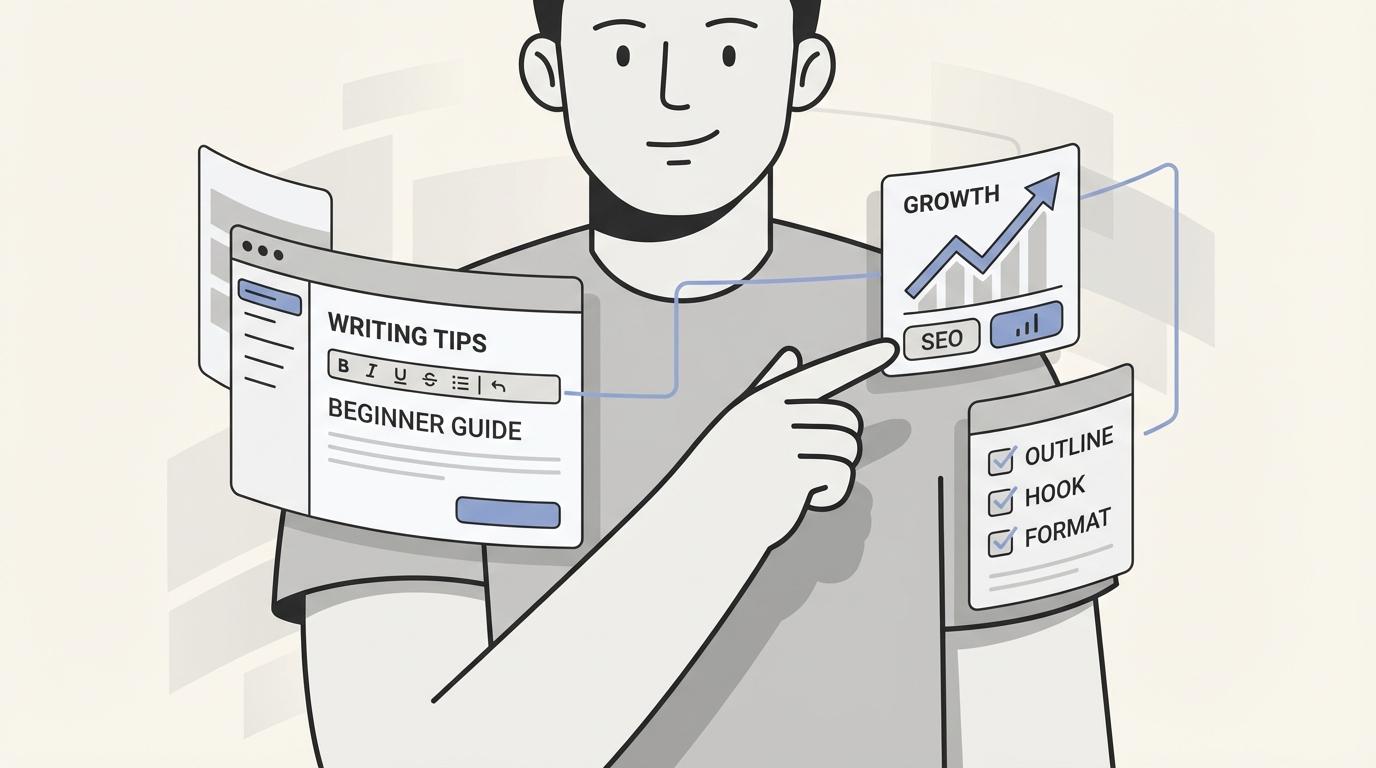
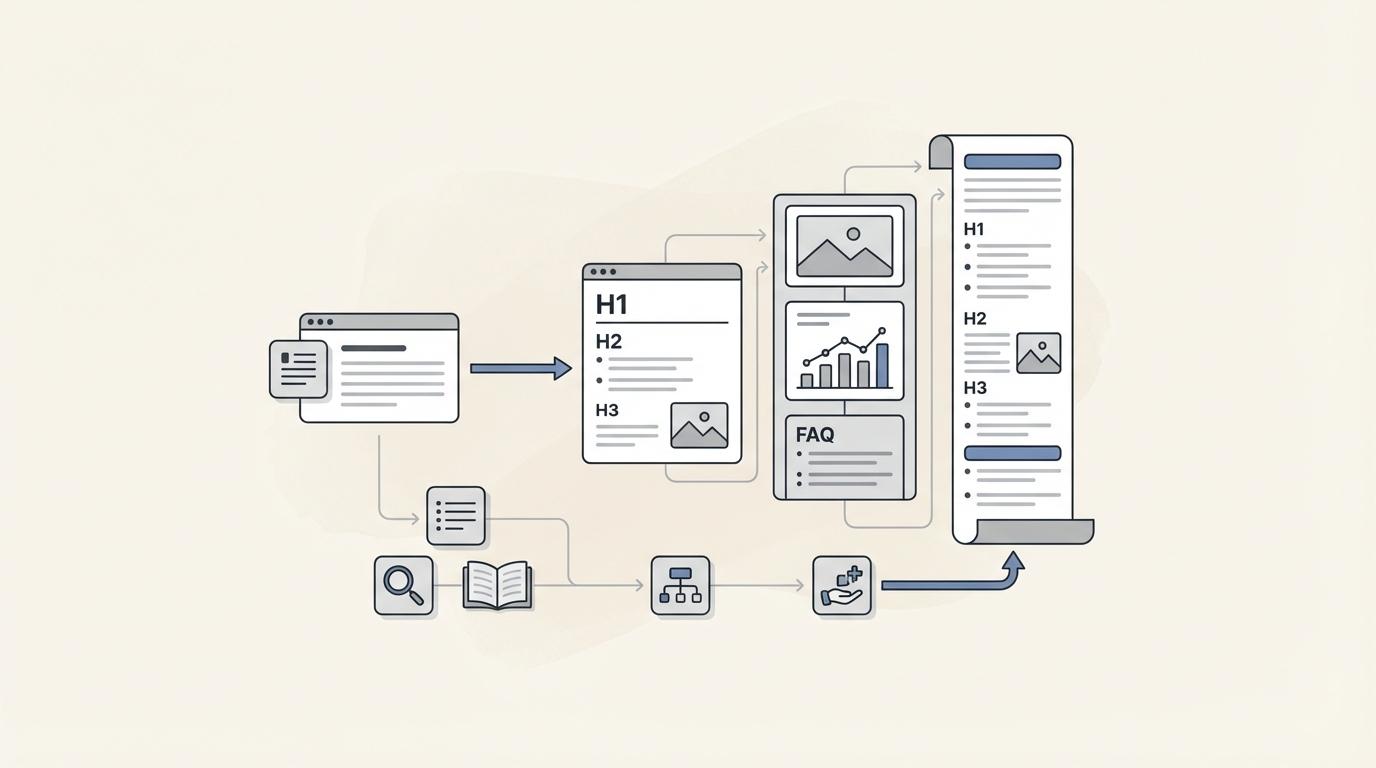
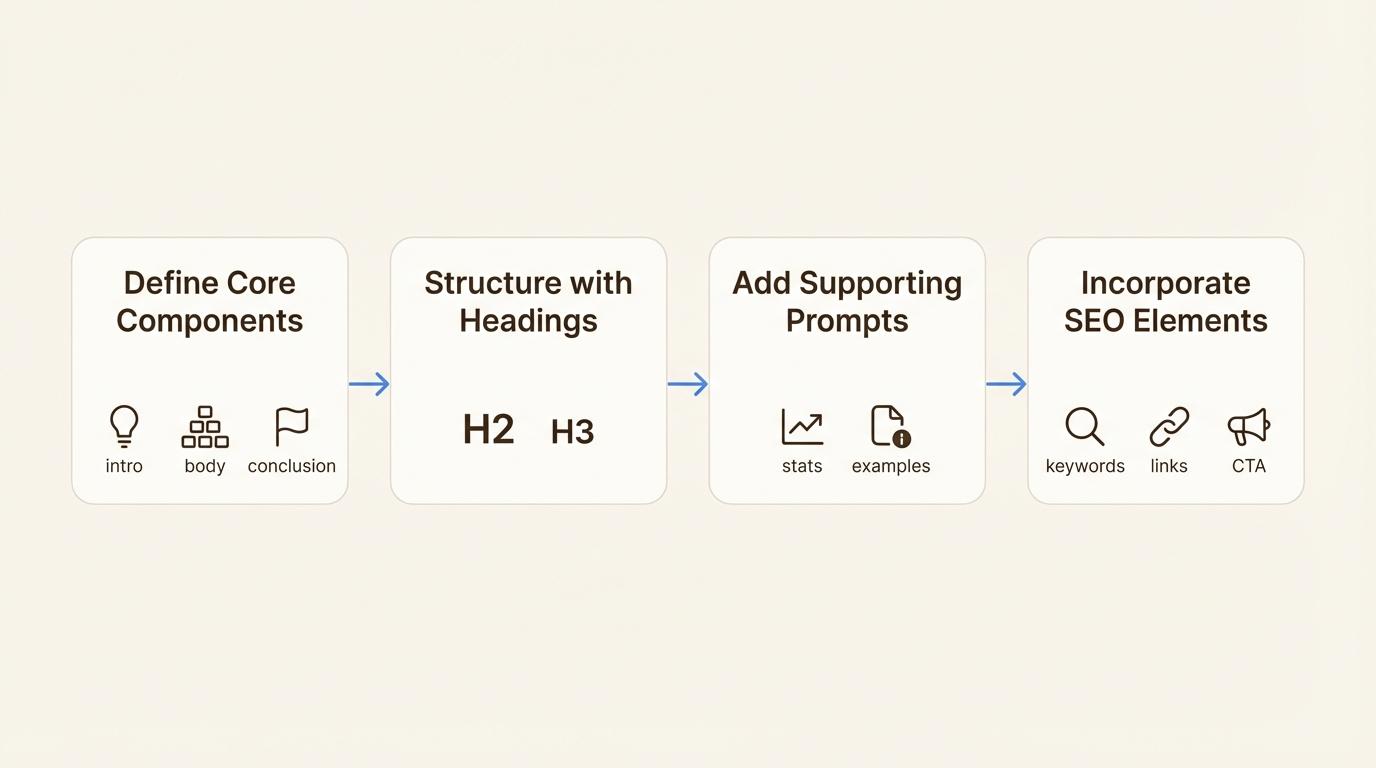
Many beginners feel confused and ask, “How should I write a blog article?” The good news is that blog writing does not have to feel difficult. You do not need to be a professional writer to create a good blog post. If you follow a simple structure, writing becomes much easier and more organized.
The secret of good blog writing is keeping things simple, clear, and helpful. Let’s understand an easy formula that beginners can follow step by step.
Step 1: Write a Strong Title
The title is the first thing people see, so it should quickly explain what problem your article will solve. A weak title feels boring and unclear, while a strong title makes people curious and interested.
For example, “Fitness Tips” is too general because readers do not know what exact help they will get. But a title like “10 Easy Fitness Tips for Busy Beginners” feels specific, clear, and useful. Readers instantly understand what they will learn.
In blogging, clear titles usually perform better than confusing titles because people want quick and easy answers.
Step 2: Write a Friendly Introduction
After the title, the next important part is the introduction. This is where you connect with readers and make them feel understood. Try to write naturally, like you are talking to a friend instead of giving a lecture.
For example, instead of sounding robotic, you can say: “Feeling tired and don’t know where to start fitness? Don’t worry. This guide will help you step by step.” This style feels human, friendly, and easy to read.
A friendly introduction helps readers feel comfortable and encourages them to continue reading your article.
Step 3: Use Small Paragraphs
One mistake many beginners make is writing huge paragraphs. Big blocks of text often feel boring and difficult to read, especially on mobile phones. Readers usually prefer short, simple sections that are easy to understand.
Try to write in smaller paragraphs with clear spacing. Short paragraphs improve reading experience and help readers stay focused. Remember, easy reading keeps people on your blog longer.
Step 4: Add Real Examples
Examples make learning much easier. When people see real situations or simple examples, they understand faster and remember better.
For example, if you are teaching blogging, instead of saying only “write helpful content,” you can show examples of good and bad blog topics. This makes your article feel practical and useful.
Always think: How can I explain this more simply? Real examples are one of the easiest ways to do that.
Step 5: End with Helpful Advice
Every good blog article should end with something useful or motivating. Give readers practical advice they can apply immediately.
For example: “Start slowly. Small daily habits create big change.” This feels natural, encouraging, and helpful instead of ending suddenly.
A strong ending leaves a positive feeling and makes readers trust your advice more.
Best Blog Structure
A simple and professional blog structure looks like this:
Title → Introduction → Problem → Solution → Examples → Tips → Conclusion
This structure is easy to follow, beginner-friendly, and helps readers understand information step by step without confusion.
Always remember: blogging is not about writing complicated words. It is about helping people in the simplest way possible.
10. Beginner SEO (Simple )
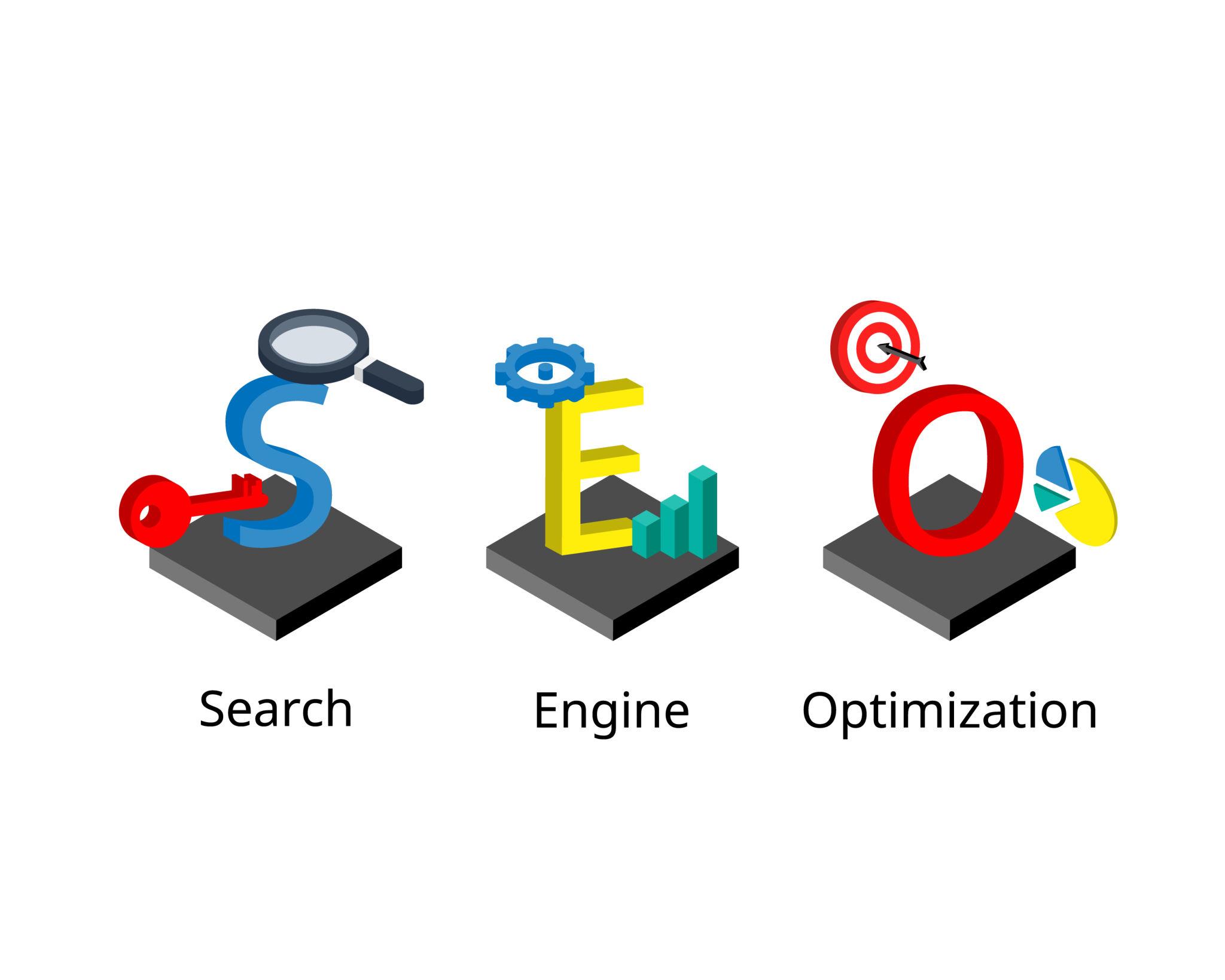


Many beginners feel scared when they hear the word SEO because it sounds technical and difficult. But the truth is, SEO is much simpler than people think. In very simple words, SEO means helping people find your blog on search engines like Google.
Imagine you spend hours writing a great article. You worked hard, added useful tips, and explained everything clearly. But after publishing, nobody reads it because people cannot find it online. That can feel disappointing. This is where SEO becomes important. SEO helps improve your blog’s visibility so readers can discover your content when they search for answers.
The good news is that beginners do not need to become SEO experts immediately. If you follow a few simple rules, you can already improve your chances of getting blog traffic.
1. Write What People Search
One of the biggest beginner SEO mistakes is writing topics that are too broad or unclear. Instead of writing random ideas, think about what people are actually searching for online.
For example, writing “Healthy Food” is too general because readers do not know what specific information they will get. A better title would be “Easy Healthy Breakfast for Beginners” because it clearly solves a problem and feels more useful.
Specific content usually works better because it matches what people type into Google. Always think: What exact question is someone asking?
2. Use Clear Headings
Good headings make your content easier to read and understand. Readers usually scan articles quickly before deciding whether to continue reading. Clear headings help organize your content and improve user experience.
For example, headings like “Benefits of Morning Exercise” or “Common Beginner Mistakes” instantly tell readers what they will learn next.
Easy reading creates happy readers, and happy readers usually stay longer on your blog.
3. Keep Your English Simple
Many beginners think using difficult words makes content look professional. But in reality, simple language usually performs better. Google likes content that people can easily understand because the goal is to help users find useful answers.
Try to explain things in a friendly and simple way. Avoid confusing words or complicated explanations. Imagine you are helping a beginner friend understand something for the first time.
Simple writing feels more human and keeps readers interested.
4. Answer Questions Clearly
The best blogs usually solve confusion and answer real questions. Before writing any article, ask yourself: “What problem am I solving?”
For example, if someone searches “How to wake up early?”, they want practical advice, not random information. Your content should give clear, helpful answers that solve the reader’s problem.
When your blog consistently helps people, trust starts growing naturally. And over time, Google may also start showing your content to more people.
Always remember: beginner SEO is not about tricks or difficult strategies. It is simply about creating clear, helpful content that answers what people are already searching for.
11. How Traffic Slowly Comes



Many beginners feel worried after starting a blog because they think, “Nobody is reading my blog.” If you feel this way, relax—this is completely normal. Almost every successful blogger faced the same situation in the beginning. The truth is that blog growth usually starts slowly, and patience is an important part of the journey.
At first, it may feel like nobody is visiting your website. You publish articles, spend time writing, and still see very little traffic. This can feel frustrating, but it does not mean your blog is failing. In blogging, growth takes time.
A simple way to understand blog traffic is by thinking about planting seeds. Imagine each blog article is like one seed you plant in the ground. One article gives you one chance to get discovered. Ten articles create more opportunities. Fifty articles build a much stronger foundation. Over time, some articles slowly start bringing visitors, while others may take longer to grow.
Blogging works the same way. The more helpful content you create, the more chances people have to find your website.
People can discover your blog in different ways. Some visitors may find your articles through search engines like Google when searching for answers. Others may visit through social sharing when someone recommends or shares your content. Helpful recommendations from friends, online communities, or social media can also bring readers to your website. Slowly, if your content is useful, some visitors may return again because they trust your advice and enjoy your writing style.
Trust does not happen overnight. It grows slowly, article by article, reader by reader. In the beginning, traffic may feel very small, but consistency is what creates long-term growth.
One important truth every beginner should remember is this: the first few months may feel quiet. Sometimes progress feels invisible, and you may wonder if blogging is worth it. But this is usually the stage where many people quit too early.
Successful bloggers understand one thing—consistency matters more than speed. Even when results are slow, keep writing, keep learning, and keep improving. Every helpful article you publish is another step forward.
Always remember: small traffic today can become big growth tomorrow if you stay patient and consistent.
12. Common Blogging Mistakes Beginners Make

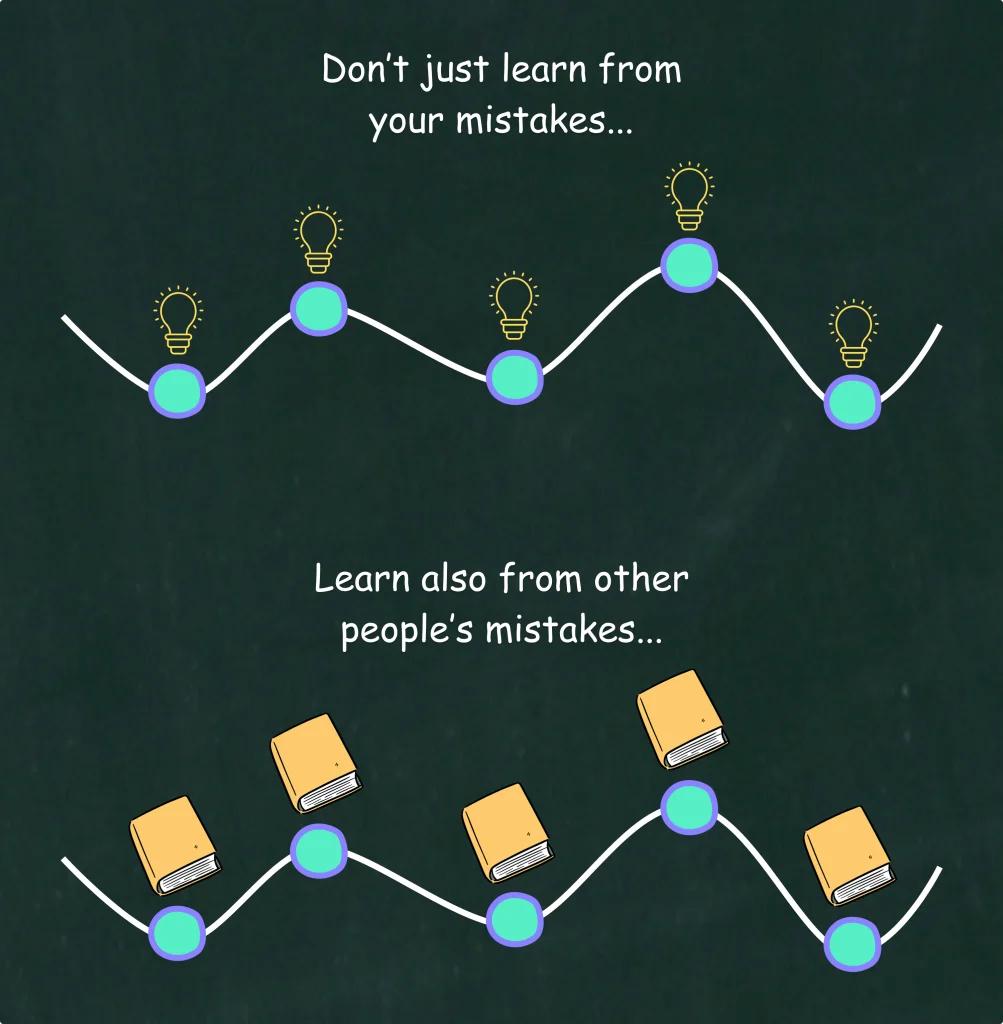
Every beginner makes mistakes in blogging, and that is completely normal. The good news is that if you understand the common mistakes early, you can avoid them and grow faster. Many people fail in blogging not because they are bad at it, but because they repeat small mistakes again and again.
Let’s understand some common blogging mistakes beginners should avoid.
Mistake 1: Writing Random Topics
One of the biggest beginner mistakes is writing about too many different things without direction. Today they write about fitness, tomorrow technology, and next week travel. This creates confusion for readers because they do not understand what your blog actually focuses on.
A successful blog usually has one clear niche or main topic. For example, if your blog is about blogging or digital marketing, try to stay focused on related content. A clear direction helps readers trust you and makes it easier for your blog to grow.
Always remember: focus creates growth
Mistake 2: Expecting Fast Success
Many beginners start blogging with big excitement and think, *“I will earn money in one or two months.”* But when results do not come quickly, they feel disappointed and quit.
The truth is simple: blogging takes time. Traffic grows slowly, trust builds slowly, and success usually comes with patience and consistency. Just like planting a tree takes time to grow, blogging also needs patience before showing results.
Instead of chasing fast success, focus on learning and improving.
Mistake 3: Copying Others
Learning from successful bloggers is smart, but copying them completely is a mistake. Many beginners try to copy writing style, ideas, or content without adding their own personality.
Readers connect with originality. Your experiences, simple explanations, and unique way of helping people make your blog different.
Learn from others - but always write in - your own style.
Mistake 4: Giving Up Too Early
This is one of the biggest reasons beginners fail. Many people stop blogging too soon because they do not see fast traffic or money.
Remember, most successful bloggers also started with very few visitors and slow progress. The difference is that they did not quit. They kept learning, writing, and improving.
Results may come slowly, but slow growth is still growth.
Mistake 5: Inconsistency
Some beginners write many articles in one week and then disappear for weeks or months. This slows growth because blogging works better with consistency.
You do not need to publish daily, but try to stay regular. Even writing one or two helpful articles every week is much better than stopping completely.
Consistency helps build trust, improve skills, and grow your blog step by step.
Always remember this simple truth: "consistency wins in blogging". Small effort done regularly is more powerful than big effort done once in a while.
Part 2 Key Lessons
You learned:
✔ How to start blogging
✔ Writing helpful content
✔ Blog article structure
✔ SEO basics
✔ Traffic mindset
✔ Beginner mistakes
Always Remember This Formula
Helpful Content + Consistency + Patience = Blog Growth
“Small progress every day becomes big success one day.”
Part 3 Coming Next 🚀
We will learn:
✅ How blogs make money
✅ How to stay consistent long-term
✅ 12-month blogging roadmap
✅ How to grow slowly without stress
✅ Beginner success mindset
✅ Final action plan 💯