
How to Make Money with Blogging in 2026 -Beginner’s Learning Guide (Part 3 – Final Part)

Welcome to the final part of this blogging learning series!
In Part 1, we learned the foundation of blogging — from understanding what blogging really is to choosing the right niche and understanding audience needs.
In Part 2, we explored the practical side of blogging, including domain setup, content writing, beginner SEO, and how to create blog posts that genuinely connect with readers.
Now in Part 3, we’ll focus on the most important question beginners have:
How does blogging actually make money?
In this final part, you’ll learn:
✅ Why Blog Traffic Grows Slowly at First
💸 Different Ways Bloggers Earn Money in 2026
🚫 Common Beginner Mistakes to Avoid
⚡ The Power of Consistency
📅 A Realistic 12-Month Blogging Growth Roadmap
🏆 The Mindset Needed for Long-Term Success
What We Learned in Part 1:

What We Learned in Part 2:

Now in Part 3, we will learn:
✅ How blogs make money
✅ How to stay consistent long-term
✅ Beginner growth roadmap
✅ Mistakes that stop growth
✅ How to grow slowly without stress
✅ Final success mindset
13. How Blogs Actually Make Money
Let us understand blogging income honestly. Many beginners think, “If I start a blog, money will come quickly.” But in most cases, this does not happen. Blogging usually works slowly, especially in the beginning. It takes time to grow traffic, build trust, and create earning opportunities.

A simple way to understand blogging is to think of it like "building trust first". People do not usually trust a new website immediately. But when readers consistently find helpful, honest, and useful content on your blog, trust slowly starts growing. And when trust grows, income opportunities also become stronger.

One of the biggest mindset changes beginners need is understanding this: "blogging is helping first, earning later". A bad mindset is asking, “How can I earn money fast?” This often leads to poor content because the focus stays only on money. A better mindset is asking, “How can I genuinely help people?” When your content solves problems and helps readers, people stay longer, trust you more, and may return again in the future.
In simple words: "Helping → Trust → Growth → Income"
Let us understand some common ways blogs actually make money.
1. Display Ads
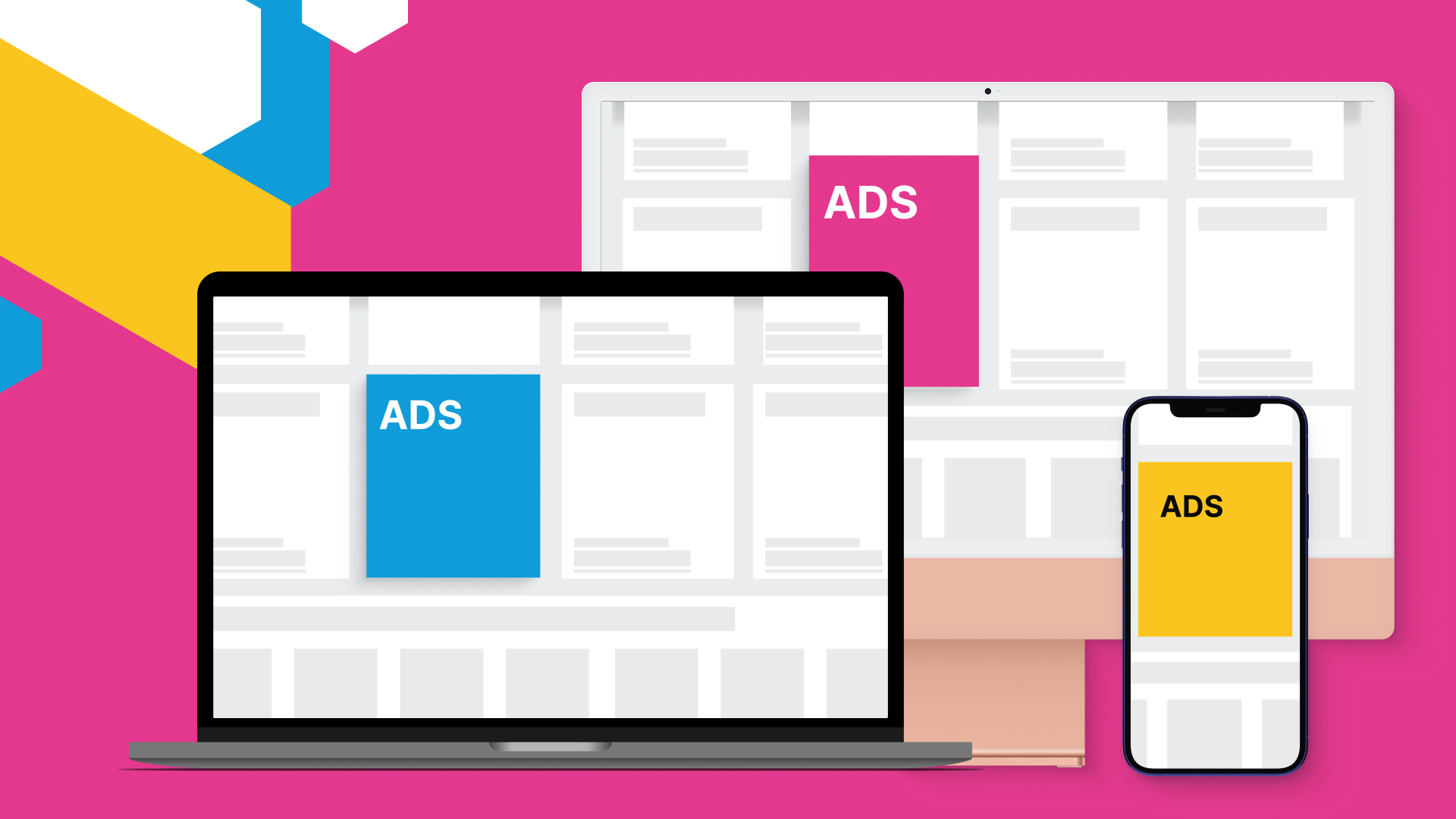
One common way blogs earn money is through display advertisements. You may have seen ads appearing on websites while reading articles. When visitors come to your blog and view those ads, small earnings may happen. However, there is one important thing to remember: "traffic matters". Usually, blogs need regular visitors before ad income becomes meaningful. This is why patience and consistent content creation are important.
2. Affiliate Marketing

Affiliate marketing is another popular way bloggers earn money. In this method, bloggers recommend useful products or services honestly. If readers trust the recommendation and decide to buy something, the blogger may earn a small commission. The important word here is "honestly". Do not recommend random things just for money. Recommend only products or tools that are genuinely helpful for your audience. Trust is always more valuable than short-term earnings.
3. Selling Knowledge
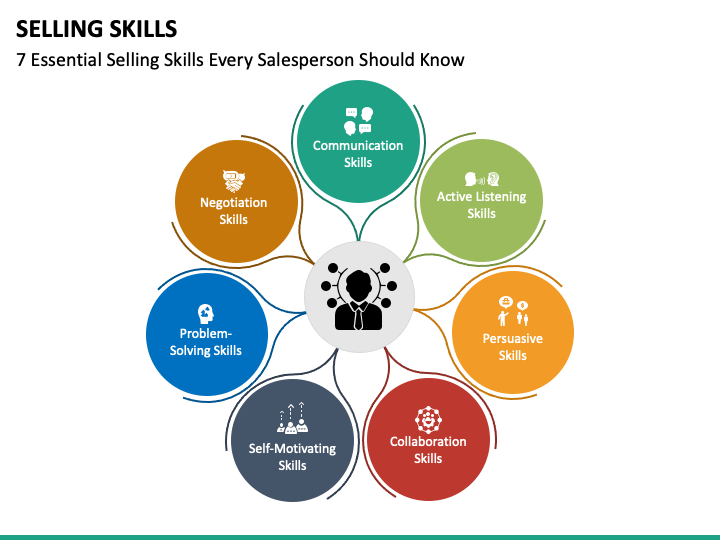
Some bloggers earn money by selling helpful knowledge and digital resources. For example, they may create beginner guides, templates, ebooks, online courses, or useful digital products that solve specific problems. People are often willing to pay for things that save time, teach valuable skills, or make learning easier.
4. Services
Many bloggers eventually start offering services related to their niche. For example, someone with a blogging website may offer writing help, SEO support, coaching, consulting, website guidance, or design services. As your blog grows, people may trust your expertise and ask for professional help.

One important lesson every beginner should remember is this: do not think “Money first.” Think “Value first.” When you focus on helping people and creating useful content, money opportunities often grow naturally over time.

Always remember: blogging income is usually slow in the beginning, but consistent effort and trust can create strong long-term results.
14. How to Stay Consistent in Blogging
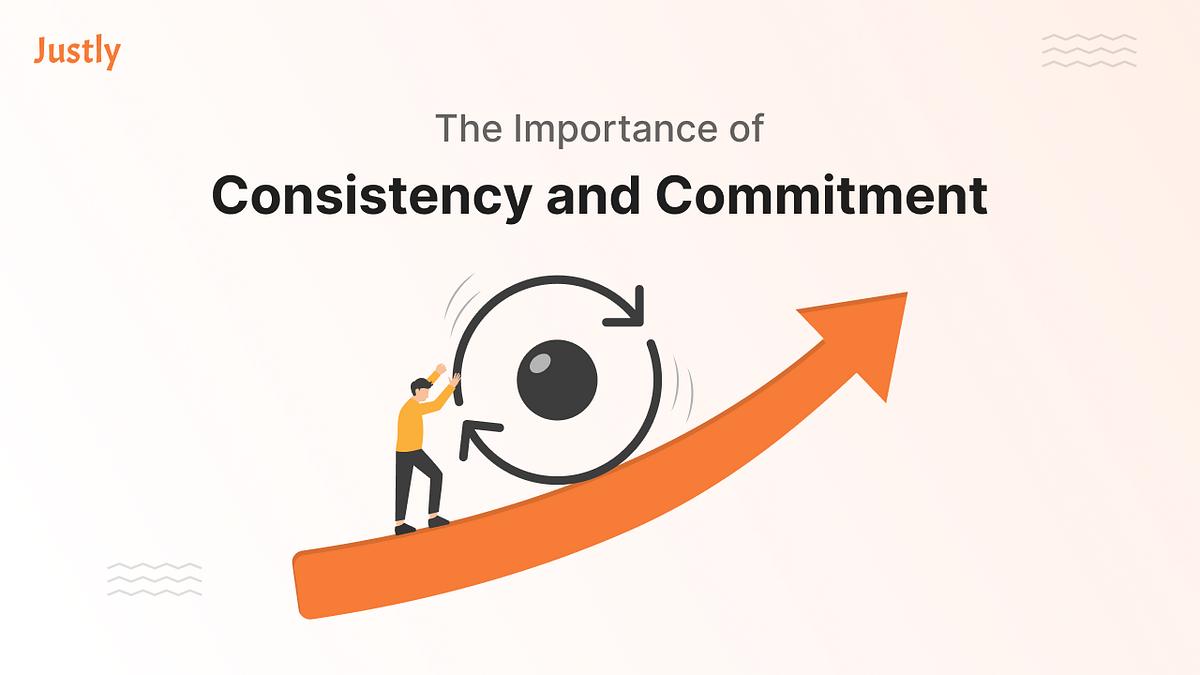
This is the stage where many beginners struggle the most. They start blogging with excitement and motivation. For a few days, everything feels exciting. They write articles, watch videos, and dream about success. But after some time, they stop. Then they restart again. Then stop once more. Because of this cycle, growth becomes very slow. The truth is simple: "most beginners do not fail because they are untalented—they fail because they are inconsistent".
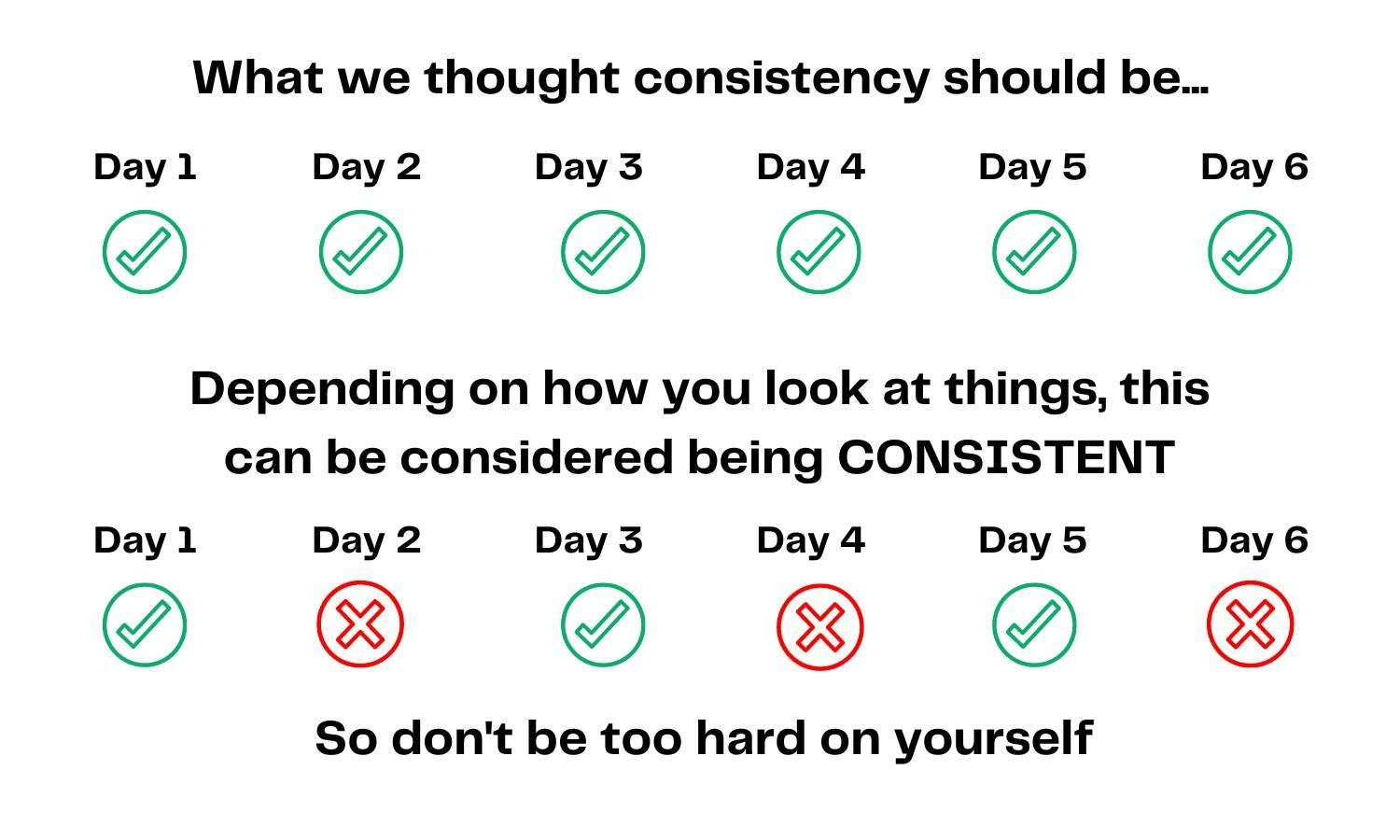
Many people think successful bloggers are successful because of luck or special talent. But in reality, one of the biggest secrets behind blogging success is "consistency". Writing helpful content regularly matters much more than doing everything perfectly. Small efforts done consistently can create powerful long-term results.
Think about it like this: writing one helpful article every week for one year gives you more than 50 articles. That creates many chances for people to discover your blog through search engines and social sharing. But if you stop and restart again and again, growth becomes much slower.
A simple blogging system can make consistency easier. You do not need a complicated plan. Even a small weekly schedule can help. Monday: Research blog ideas and understand what people are searching for. Wednesday: Write and publish a helpful article. Friday: Improve an older article, fix mistakes, or update information. This kind of simple system creates less stress and more progress because you know exactly what to do each week.
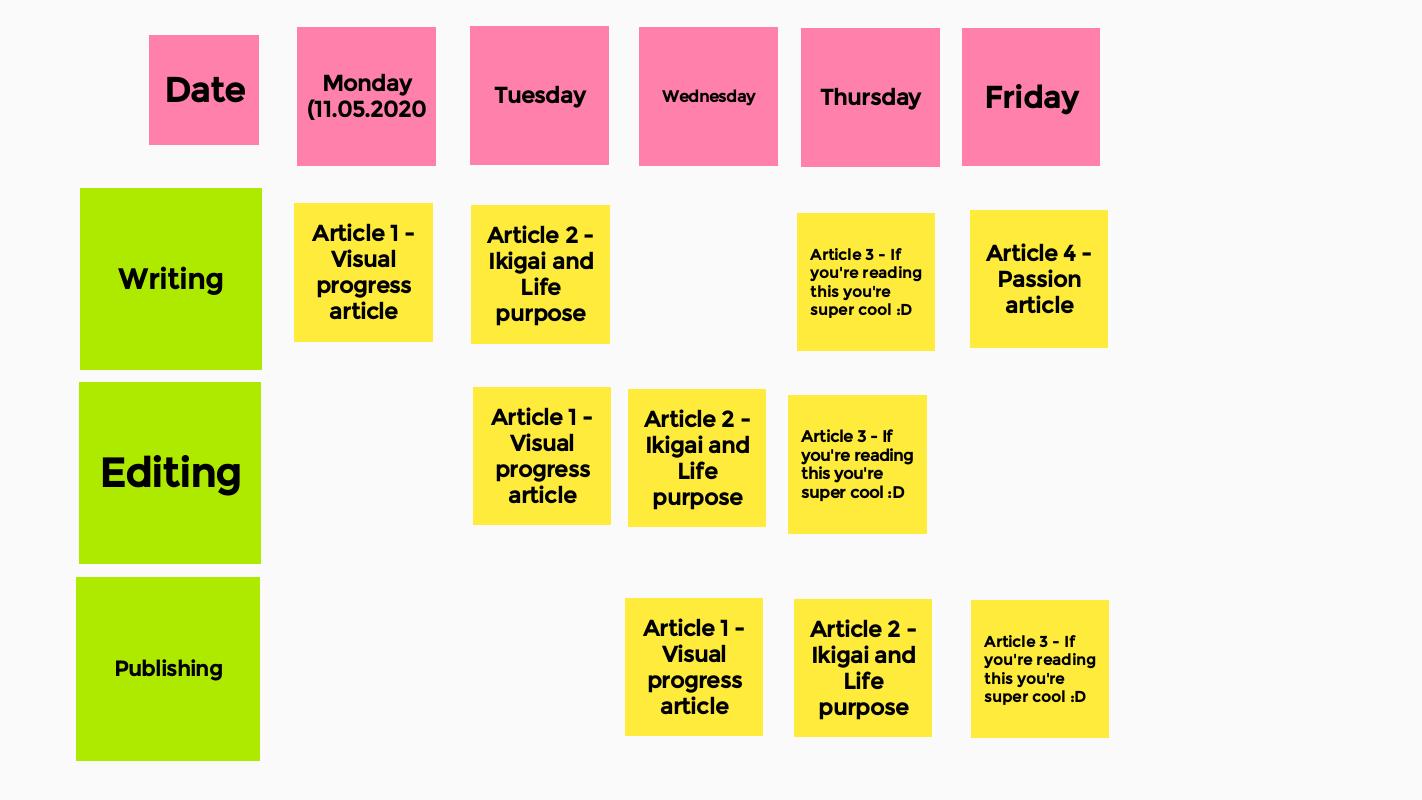
Another common mistake beginners make is setting goals that feel too difficult to maintain. In blogging, consistency is more important than pressure. Focus on creating helpful and valuable content regularly. In the beginning, learning and improving matters more than doing too much too fast.
Always remember this important rule: "consistency beats speed". You do not need to move fast—you just need to keep moving. One important truth every blogger should understand is this: "you will not feel motivated every day". Some days you may feel excited, while other days you may feel tired or lazy. This is normal. Successful bloggers do not rely only on motivation. They rely on "discipline". They continue showing up even on difficult days.

Even small progress matters. One helpful article, one improvement, or one small step forward is still progress. Always remember: "slow consistent growth is stronger than fast temporary effort".
15. Beginner Blogging Roadmap (0–12 Months)

Many beginners ask an important question: “What should I do month by month?” The truth is, blogging becomes much easier when you follow a simple roadmap. Instead of feeling confused or trying to do everything at once, focus on small steps at the right time. Always remember: blogging is a long-term journey. You do not need to know everything in the beginning. You only need to keep learning, improving, and moving forward step by step.
Month 1–2: Learn the Basics

In the first two months, your main focus should be "learning". Do not worry too much about money, traffic, or quick success. Right now, your goal is simply to understand how blogging works.
Spend time learning basic writing skills, understanding what readers need, and finding useful content ideas. Try to understand why people search online and what kind of problems they want solved. Learn how blogs help people by giving simple and useful answers.
This stage is about "building knowledge, confidence, and understanding", not chasing income.
Month 3–4: Start Publishing
Now it is time to stop overthinking and start publishing content. Many beginners wait too long because they want everything to be perfect. But the truth is simple: "blogging improves through practice". Your main goal during these months is to build a writing habit and become comfortable sharing content. Even if you publish only a few articles, that still matters. Every article teaches you something valuable. Every mistake teaches you how to improve. Do not worry if your content is not perfect in the beginning.
Remember: "Progress matters more than perfection."
Month 5–6: Improve Your Skills
After publishing content for some time, start asking yourself: “How can I make my content better?” By this stage, you already understand basic blogging, and now your goal becomes improvement. Remember, blogging is not about becoming perfect quickly—it is about becoming better slowly.This is the stage where you begin improving important blogging skills such as:
✔ Writing clearer and easier-to-read articles
✔ Creating stronger and more interesting headlines
✔ Explaining topics in simple language beginners can understand
✔ Making content more useful and valuable for readers
You may notice that some articles perform better than others. That is normal. Instead of feeling discouraged, ask yourself: “What can I improve next time?” Maybe your title can be stronger. Maybe your explanation can be simpler. Maybe your content can solve problems more clearly. Small improvements may feel tiny in the beginning, but over time they create big growth. One better headline, one clearer paragraph, or one helpful article can slowly make a big difference.
Always remember: Improvement happens step by step, not overnight.
Month 7–9: Understand Your Readers
By this stage, your focus should slowly shift toward understanding your readers better. Blogging is not only about writing content—it is also about understanding what people truly need and how you can help them better. When people visit your blog, they usually come looking for answers, solutions, or guidance. The better you understand your readers, the easier it becomes to create content they genuinely want to read.
Start paying attention to your audience and ask yourself:
1.What topics do readers enjoy most?
2.What questions do people ask repeatedly?
3.What problems do readers want solved?
These questions help you understand what people actually care about and what kind of content helps them the most. You may also start noticing that some articles perform better than others. Some topics may get more views, more comments, or more interest. This is a good sign because it helps you understand what your audience enjoys reading. Instead of guessing what people want, start learning from your readers and their behavior.
Ask yourself:
1.What confuses them?
2.What problems are they struggling with?
3.What type of content makes learning easier for them?
The more you understand your audience, the easier it becomes to create valuable and helpful content. When readers feel understood, something powerful starts happening: trust slowly grows. And when people trust your content, they are more likely to return to your blog again and again. This stage helps you build a stronger connection with your audience, and that connection becomes one of the biggest strengths of a successful blog.
Month 10–12: Better Growth
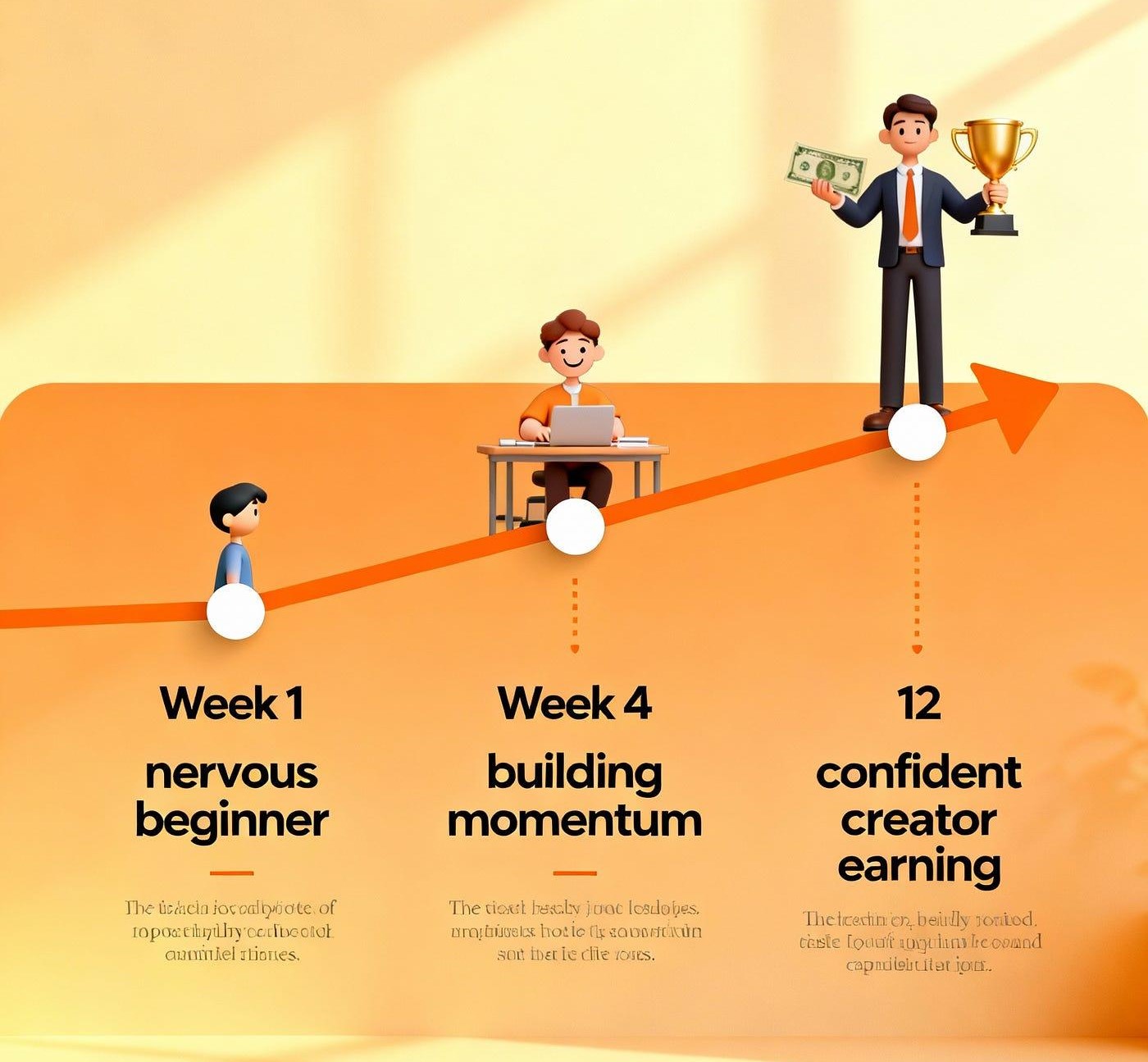
By this stage, many beginners start feeling more confident because they have gained experience and learned important lessons. Blogging no longer feels as confusing as it did in the beginning. You now better understand how content works, what readers need, and why patience matters in blogging.
At this stage, you slowly begin understanding important things like content creation, audience needs, patience, consistency, and learning from mistakes. You may still be learning new things, but now you feel more comfortable and confident because blogging starts making more sense.
This is also the stage where some blogs slowly begin seeing better traffic, stronger confidence, and steady growth. You may notice that some articles perform better, readers start engaging more, or your content feels easier to write. Even if growth still feels slow, remember that progress is happening step by step.
One Important Truth : One thing every beginner should always remember is this: every blog grows at a different speed. Some websites grow faster, while others take more time, and that is completely normal. Never compare your blogging journey with someone else’s success because comparison often creates stress and discouragement.
Instead of comparing, focus on your own progress.
Keep learning.
Keep improving.
Keep showing up.
Small improvements may not feel powerful today, but over time they create strong results. Your growth will come with time.
Final Reminder :Success in blogging does not happen overnight. It grows slowly through patience, learning, consistency, and genuinely helping people with valuable content.
There will be slow days, confusing days, and difficult days—but that is part of the journey.
Trust the process.
Keep moving forward.
Keep learning.
Because small steps today can create bigger success tomorrow.
16. Biggest Mistakes That Stop Growth

Many beginners start blogging with excitement and big dreams. But after some time, growth feels slow, motivation drops, and frustration starts. The truth is, blogging usually does not fail because people are not talented—it often fails because of common mistakes. If you avoid these mistakes early, your blogging journey can become much easier and stronger.
Mistake 1: Quitting Too Early
This is one of the biggest mistakes beginners make. Many people start blogging with excitement, write a few articles, and then quit after one, two, or three months because they do not see fast results. But the truth is simple: growth takes time. Blogging success usually happens slowly. Search engines need time to trust your website, readers need time to discover your content, and confidence takes time to grow. Many beginners quit just before things slowly start improving. Always remember: slow progress does not mean failure. Even successful bloggers once had low traffic, few readers, and slow growth in the beginning. The difference was simple: they continued.
Mistake 2: Writing Only for Money
Some beginners think only about money from the beginning. Because of this, they create content that feels rushed, fake, or unhelpful. Readers are smart, and people can often understand when content is written only to sell something. Helpful content usually performs much better. Before writing any article, ask yourself one simple question: “Will this genuinely help someone?” If the answer is yes, then you are moving in the right direction. In blogging, trust is more valuable than quick money. When readers trust your content, growth slowly becomes easier.
Mistake 3: No Consistency
Another major mistake beginners make is posting randomly. Writing many articles one week and then disappearing for a month slows growth. Blogging works better with small, regular effort. You do not need to post every day, but you should try to stay consistent. Even one or two helpful articles every week can slowly build momentum over time. Always remember: small regular effort beats random big effort. Consistency creates trust, better habits, and stronger growth.
Mistake 4: Trying Everything at Once
Many beginners try too many things together. Today they write about fitness, tomorrow blogging, next week fashion, and then technology. This creates confusion for readers and makes blog growth weaker. A better approach is staying focused. Choose: One niche → One direction → Strong foundation. When you stay focused, it becomes easier to build trust, authority, and expertise in your topic.
Mistake 5: Fear of Imperfection
Many beginners delay starting because they think: “My content is not perfect.” But here is the truth: nobody starts perfect. Every successful blogger once felt confused, made mistakes, and created imperfect content. The only way to improve is through action. Writing more teaches you how to write better, and publishing more helps you grow confidence. Perfection comes through practice—not waiting. Always remember this simple rule: done is better than perfect. Take action, keep learning, and keep improving. That is how blogging growth happens.
17. How to Grow Slowly Without Stress

One important thing every beginner should understand is this: slow growth is completely normal. Many new bloggers feel stressed when results do not come quickly. They compare themselves to successful bloggers and start thinking, “Why am I not growing faster?” But the truth is simple: blogging is usually a slow process in the beginning. Growth takes time, learning takes time, and confidence also takes time. So first of all—do not panic. Slow progress does not mean you are failing. It simply means you are learning and growing step by step.

Instead of worrying too much about fast results, focus on small improvements. You do not need to become perfect overnight. You only need to become a little better each day. Maybe today you improve your title. Tomorrow you improve your paragraphs. Next week you explain ideas more clearly. Small improvements may not feel powerful in the beginning, but over time they create big results. Blogging is not about becoming perfect quickly—it is about improving slowly and consistently.
Instead of worrying too much about fast results, focus on small improvements. You do not need to become perfect overnight. You only need to become a little better each day. Maybe today you improve your title. Tomorrow you improve your paragraphs. Next week you explain ideas more clearly. Small improvements may not feel powerful in the beginning, but over time they create big results. Blogging is not about becoming perfect quickly—it is about improving slowly and consistently.
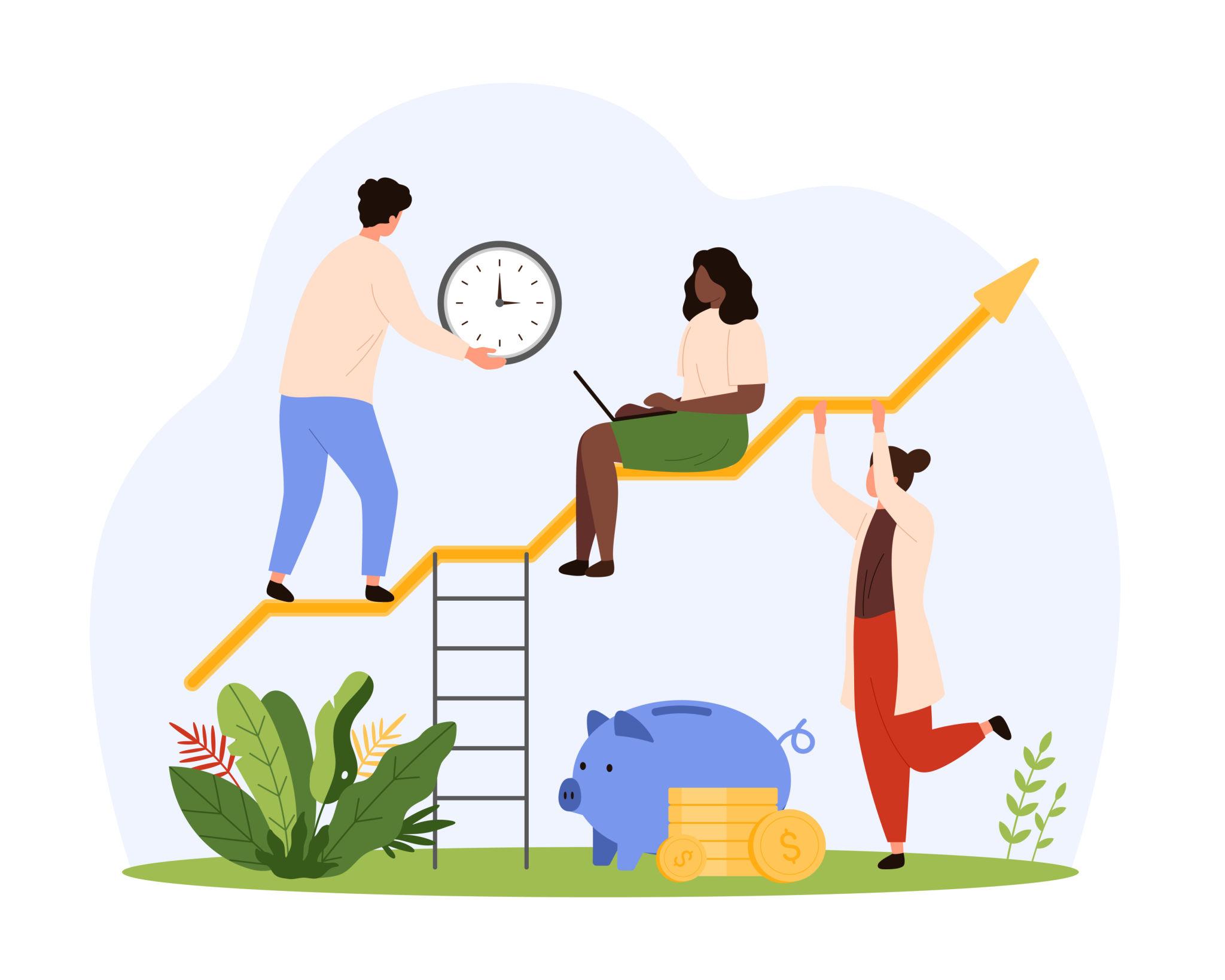
Think of blogging like climbing stairs. You do not jump to the top immediately.
A powerful mindset for beginners is following the 1% Rule. This simply means improving a little bit every day. Maybe today you learn better writing. Tomorrow you understand your audience more. Next week you improve your blog structure. At first, progress may feel invisible, but consistency slowly creates confidence, and confidence slowly creates growth.

Always remember this simple formula:
Small effort + Consistency = Long-term growth.
Another important thing many beginners forget is celebrating small wins. Many people only celebrate big success and ignore small progress. But small wins matter because they keep motivation alive. Did you publish your first article? Celebrate it. Did one person read your blog? Celebrate it. Did someone leave a comment or message? Celebrate it. These moments may feel small today, but they are signs that progress is happening. Every successful blogger once celebrated their first visitor, first comment, and first bit of growth.
The journey becomes easier when you appreciate small wins instead of only chasing big success.
Always remember: big success usually starts with very small progress.
Keep learning.
Keep improving.
Keep showing up.
Because slow growth is still growth.
17. How to Grow Slowly Without Stress
Let us talk honestly for a moment. Blogging is exciting, but it also comes with difficult days. Some days, you will feel excited, motivated, and full of ideas. You may enjoy writing articles, learning new things, and dreaming about future success. But some days may feel completely different. You may feel confused. You may wonder if blogging is really worth it. Sometimes nobody reads your content. Sometimes traffic feels very low. Sometimes you may even feel like quitting. And do you know something important? This happens to almost everyone in the beginning.
Let us talk honestly for a moment. Blogging is exciting, but it also comes with difficult days. Some days, you will feel excited, motivated, and full of ideas. You may enjoy writing articles, learning new things, and dreaming about future success. But some days may feel completely different. You may feel confused. You may wonder if blogging is really worth it. Sometimes nobody reads your content. Sometimes traffic feels very low. Sometimes you may even feel like quitting. And do you know something important? This happens to almost everyone in the beginning.
Even successful bloggers once faced this stage. Many of them also felt confused, frustrated, impatient, and unsure about their future. They also had days when nobody visited their website. They also questioned themselves sometimes. But the biggest difference was simple: they continued. Even when growth felt slow, confidence felt low, and results were small, they kept learning, improving, and showing up.One important truth every beginner should understand is this: bad days happen, slow growth happens, and confusion happens. These things are completely normal in blogging. They do not mean you are failing. They simply mean you are learning and growing step by step.

Sometimes you may feel mentally tired or stressed, and that is okay too. You do not need to push yourself every single day. Take rest if needed, clear your mind, learn again, and start again. Most importantly—keep moving forward.
You do not need to grow fast. You do not need to be perfect. You only need to keep going because quitting is the one thing that truly stops success.
Always remember: slow progress is still progress. One article, one improvement, and one small step at a time—that is how successful bloggers slowly grow.
19. Final Beginner Action Plan
If you feel confused about blogging, do not worry. Follow this simple roadmap step by step. You do not need to learn everything at once because blogging becomes easier when you focus on small daily actions. Growth does not happen overnight, and that is completely normal. Small efforts done consistently can create powerful long-term results.
Start by choosing one niche for your blog. Do not write about too many different topics because that can confuse readers. Stay focused on one topic so people clearly understand what your blog is about and why they should follow your content.
Before writing anything, spend time understanding your audience and their problems. Ask yourself simple questions like: What problems do beginners have? What answers are people searching for? What kind of help do they need? Good blogging always starts with understanding people first.
When you create content, always focus on being helpful. Try to write articles that genuinely solve problems, answer questions, or make learning easier. Helpful content slowly builds trust, and trust is one of the biggest reasons people return to a blog.Keep your writing style simple and easy to understand. Do not try to sound too complicated or professional. Write like you are talking to a friend. Simple English feels more human, friendly, and easier for beginners to understand.
Another important habit is consistency. You do not need to write every single day, but try to stay regular. Even one or two helpful articles every week can slowly build momentum and growth over time.
At the same time, remember to improve slowly. Do not pressure yourself to become perfect immediately. Better titles, better explanations, and better writing happen step by step. Small improvements create big changes over time.
Blogging is also about continuous learning. Keep learning every day. Read articles, watch tutorials, improve your skills, and stay curious. The more you learn, the better your content becomes.
Most importantly, stay patient. Results usually take time. Traffic grows slowly. Trust builds slowly. Success in blogging is often a long journey, not a quick race.
Always focus on helping people honestly instead of only thinking about money. When people trust your content and genuinely find value in it, growth and opportunities slowly begin to follow.
And finally, trust the process. Some days will feel exciting. Some days may feel confusing or slow. But do not quit too early. Stay consistent, keep learning, and keep moving forward.
Simple.
Powerful.
Effective.
Congratulations! You completed this Beginner Blogging Guide Series. If you read from Part 1 to Part 3, first give yourself credit because you already took an important step toward learning something valuable. You now understand what blogging is, how to choose the right niche, how to write helpful content, beginner SEO basics, how blog traffic slowly grows, how blogs make money, how to stay consistent, and why mindset matters for long-term success.
But here is one important truth you should always remember: learning is only the first step—action creates results. Many beginners wait for the “perfect time” to start. They think, “I will start when I know everything.” But the truth is simple: you do not need to know everything to begin—you learn by doing.
Start small, learn slowly, and improve daily. Some days will feel exciting. You will feel motivated, full of ideas, and excited about your blogging journey. But some days may feel difficult. Sometimes growth may feel slow. Sometimes you may even wonder, “Is blogging really worth it?” That feeling is completely normal.
Every successful blogger once felt confused too. They also started with zero readers, slow progress, mistakes, and self-doubt. The biggest difference was simple: they stayed consistent. Even when progress felt slow, results felt small, and nobody noticed their work, they continued learning, writing, and helping people. Slowly, things started changing.
Always remember this: one helpful article today can become something powerful tomorrow. Maybe today nobody reads your content, and maybe growth feels slow. But tomorrow, that same content may help hundreds—or even thousands—of people.
Blogging teaches much more than making money. It teaches patience, discipline, communication, consistency, problem-solving, and how to genuinely help people. These skills do not only help in blogging—they also help in life.
Always remember: money becomes the result of helping people, not the starting goal.
Final Success Formula:
Learn → Help → Write → Stay Consistent → Improve → Build Trust → Grow → Earn Naturally
And most importantly, do not focus only on earning money. Focus on becoming useful. Because when you genuinely help people, trust follows, growth follows, and success slowly follows too.
Tell yourself: “I will not quit early. I will learn, improve, and grow step by step.” Your blogging journey starts now. Take one small step today, then another tomorrow. Because small progress every day becomes big success one day The End… or Maybe Just the Beautiful Beginning of Your Blogging Journey.